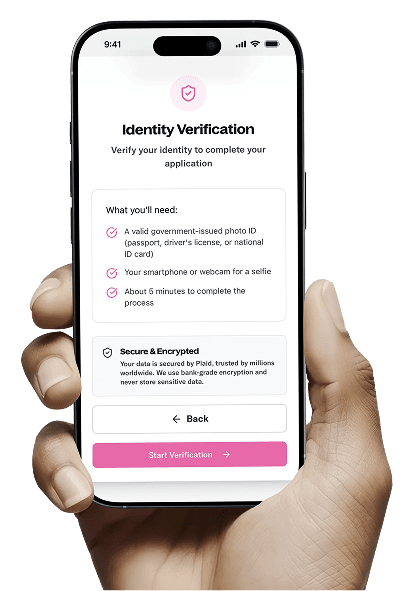
- International students renting in the UK usually need ID, proof of student status, proof of right to rent, funds, and often a UK-based guarantor.
- Your main accommodation options are university halls, private student halls, shared houses, studios, or private flats.
- If you do not have a UK guarantor, a professional online rent guarantor service like Rentmigo can help you secure accommodation without paying months of rent upfront.
Renting in the UK as an international student means proving you can legally rent, choosing the right type of accommodation, and often finding a UK-based guarantor before your landlord or accommodation provider will approve your rental application.
If you are moving to the UK for university, there is already a lot to think about.
You are probably sorting your visa, planning travel, choosing classes, working out what to pack and trying to imagine what your new life will look like. But before any of that feels real, you need somewhere to live.
And for many international students, renting in the UK can feel surprisingly complicated. The issue is not just finding accommodation. After all, there are plenty of student halls, private halls, shared houses and rooms online. The harder part is securing the place once you have found it.
This is especially true if you do not have a UK credit history, previous UK landlord references, or a UK-based guarantor.
If you are an international student trying to rent in the UK without a guarantor, Rentmigo can help. We act as a professional rent guarantor for students who can afford the rent but do not have someone in the UK to support their application.
What are your accommodation options as an international student?
Most international students in the UK choose between university halls, private student accommodation, shared housing or private rentals.
Each option works slightly differently, so it is worth understanding the basics before you start applying.
University halls
University halls are usually the easiest option, especially for first-year international students.
They are managed by the university, often located close to campus, and usually come furnished. Bills, Wi-Fi and basic facilities are often included in the rent, which makes budgeting much easier.
The downside is that places can be limited, and you may not always get your first choice. Still, if you are nervous about renting privately in a new country, halls can be a good first step.
Private student halls
Private student halls, also known as purpose-built student accommodation, are run by private companies rather than the university.
They are often modern, secure and located close to campuses or city centres. Many include bills, Wi-Fi, study spaces, gyms, laundry rooms and social areas.
They can be more expensive than university halls or shared houses, but they are popular with international students because the process is usually more structured.
You may still need a guarantor or need to pay rent upfront, so always check the terms before signing.
Shared houses and flats
Many students rent a room in a shared house or flat, especially after their first year.
This can be more affordable and gives you more independence. You might share with friends, course mates or people you meet through platforms like SpareRoom.
However, shared houses usually involve more responsibility. Bills may not be included, you may need to deal directly with a landlord or letting agent, and you will normally sign a tenancy agreement.
You should also check whether you are signing an individual tenancy for your room or a joint tenancy with housemates. This matters because, under some joint tenancies, tenants can be responsible for each other’s rent.
Studios and private flats
Some international students prefer to rent a studio or one-bedroom flat.
This gives you more privacy and quiet, but it is usually the most expensive option. You may also need to pass stricter referencing checks, pay bills separately and provide a guarantor.
If you are studying in London, Manchester, Birmingham, Leeds or another busy student city, private flats can move quickly, so having documents ready is important.
Where can international students find rentals in the UK?
The best place to look depends on the type of accommodation you want.
You can usually search through:
- University accommodation portals
- Private student accommodation websites
- Rightmove
- Zoopla
- SpareRoom
- OpenRent
- Accommodation for Students
- StuRents
- Student Facebook or WhatsApp groups
University accommodation offices can also be helpful, especially if you aren't sure which areas are safe, affordable or easy to travel from.
If you are booking before arriving in the UK, be extra careful. Never send money unless you are confident the landlord or agent is legitimate.
What documents do international students need to rent in the UK?
Before you rent, you will usually need to show documents proving who you are, that you are studying in the UK, and that you can afford the rent.
You may be asked for:
- Passport
- Visa or eVisa details
- Right to rent share code
- University offer letter or confirmation of enrolment
- Proof of funds or bank statements
- Student finance or scholarship documents, if relevant
- Guarantor details, if needed
- Previous landlord reference, if you have one
If you are arranging accommodation before arriving in the UK, your landlord or accommodation provider will usually tell you exactly what they need.
But the more prepared you are, the faster the process will be.
What is a right to rent check?
A right to rent check is how landlords confirm that you are legally allowed to rent in England.
Most international students will need to prove their right to rent using their immigration status. This is usually done by generating a share code through the UK government system.
Your landlord or letting agent then uses that share code, along with your date of birth, to confirm your status.
This is normal, so do not be worried if you are asked for it.
If you have a time-limited right to rent, your landlord may need to check your status again later.
Do international students need a UK guarantor?
In many cases, yes. International students are often asked for a UK guarantor before they can rent privately.
A guarantor is someone who agrees to cover your rent if you cannot pay it.
Most UK students ask a parent or family member to do this. But for international students, that is often much harder.
Why? Because landlords usually want a guarantor who:
- Lives in the UK
- Has a UK credit history
- Has a stable income
- Can pass affordability checks
- Can be legally pursued in the UK if needed
That means parents overseas are often not accepted as guarantors, even if they are financially secure.
This can be incredibly frustrating. You may have the money to pay rent, but still be blocked because your family is not based in the UK.
What happens if you do not have a UK guarantor?
If you do not have a UK guarantor, some landlords or student accommodation providers may ask you to pay several months of rent upfront.
This is usually around 3 to 6 months, though it can vary. For a lot of students, that is a huge amount of money.
If your rent is £1,000 per month and you are asked to pay six months upfront, that is £6,000 before you have even considered your deposit, travel, food, books, transport or day-to-day living costs.
That is exactly why professional rent guarantor services exist.
Rentmigo helps international students rent in the UK without needing a UK-based family member or friend to act as guarantor.
You apply online, we assess whether you can afford the rent, and if approved, we act as your guarantor.
Get started with Rentmigo today.
Also read: Student visa holders: how to rent without a guarantor in the UK
How deposits work for student rentals
When you rent in the UK, you will often need to pay a deposit before moving in.
For most private rentals in England, tenancy deposits are capped at five weeks’ rent if the annual rent is under £50,000.
Your landlord must protect your deposit in a government-approved deposit scheme.
This matters because it helps protect your money. At the end of the tenancy, if your landlord wants to make deductions, they need to explain why. If you disagree, there is a dispute process to go through.
You may also be asked for a holding deposit when applying for a property. This usually reserves the property while references are checked.
Before paying anything, make sure you understand:
- What the payment is for
- Whether it is refundable
- Who you are paying
- Whether you have seen the contract
- Whether the landlord or agent is legitimate
Do international students pay council tax?
Most full-time students do not have to pay council tax in the UK. Council tax is a local tax paid to the council, but full-time students are usually exempt.
However, you may need to provide proof of student status to claim the exemption.
If you live with non-students, the rules can be different, so always check.
What bills should you budget for?
Some student accommodation includes bills, but private rentals often do not.
You may need to budget for:
- Gas
- Electricity
- Water
- Broadband
- Mobile phone
- TV licence
- Contents cover
- Transport
- Food
- Laundry
A TV licence is needed if you watch or record live TV, or use BBC iPlayer, even on a laptop or phone.
Before signing anything, ask whether bills are included. If they are not, make sure you understand roughly how much extra you may need each month.
Watch out for rental scams
International students can be targeted by rental scams, especially when booking from overseas.
Be careful if:
- The rent looks much cheaper than similar properties
- The landlord pressures you to pay quickly
- You are asked to transfer money before seeing a contract
- The landlord refuses to provide proper details
- The listing photos look too polished or appear on multiple sites
- You cannot verify the agent or landlord
If you are unsure, speak to your university accommodation office before paying.
It is much better to ask for help than lose money to a fake listing.
Read your tenancy agreement carefully
Before signing a tenancy agreement, make sure you understand what you are agreeing to.
Look out for:
- How long the tenancy lasts
- Whether you can leave early
- Whether bills are included
- How much deposit you need to pay
- When rent is due
- Whether you are jointly responsible for housemates’ rent
- Who handles repairs
- Whether guests are allowed
- Any rules around pets, smoking or subletting
Do not sign something just because you feel rushed.
If you do not understand the agreement, ask your university housing team, student union or a trusted adviser to look at it.
Why Rentmigo helps international students find the right rental
Renting in the UK as an international student can feel confusing at first, especially if you are trying to arrange accommodation from another country.
But once you understand the process, it becomes much easier.
You will need to think about your accommodation type, right to rent check, student documents, deposit, bills, tenancy agreement and, in many cases, a UK-based guarantor.
The guarantor part is where many international students struggle most. But the important thing to know is, not having one does not mean you cannot rent.
A professional rent guarantor service like Rentmigo can help you move forward without needing to rely on family or friends in the UK.
So, if you are preparing to study in the UK and worried about the guarantor question, do not leave it until the last minute.
Get started with Rentmigo today and take one big step closer to securing your student accommodation.