- A guarantor is someone who signs a legal agreement promising to pay your landlord if you don't pay your rent, and sometimes other costs such as damage to the property.
- Most guarantors never have to do anything after signing, but if you fall behind on rent, the landlord can ask them for the money.
- If no one you know in the UK meets the landlord's criteria, a professional guarantor service like Rentmigo may be able to act as your guarantor instead.
If a letting agent has just asked you for a guarantor, you're probably wondering what you'd be asking a parent, relative or friend to agree to. Or you might be the person who's been asked, and you want to know what you'd be signing.
A guarantor for rent is someone who promises, in writing, to pay what you owe the landlord if you don't pay it yourself. Most never hear from the landlord at all, but the promise can cover more, and last longer, than people expect.
If you've found a property but don't have anyone in the UK who meets the agent's guarantor requirements, Rentmigo may be able to act as your guarantor instead.
What is a guarantor when you rent?
A guarantor is a third party, often a parent or close relative, who agrees to cover your rent if you miss a payment. They sign a legal agreement called a guarantee, which the landlord can rely on if something goes wrong.
A guarantor isn't a tenant, they don't live in the property and have no right to use it.
It also isn't the same as your tenancy deposit, which is money you pay at the start that the landlord must protect in a government-approved scheme. Nor is it rent in advance, which is your first rent payment made before you move in. A guarantor doesn't pay anything up front.
You might also see guarantors mentioned for loans and mortgages. The idea is similar, but this guide is only about renting.
What does a guarantor actually do?
Usually, nothing beyond signing the guarantee and passing the landlord's checks. A guarantor only gets involved if you miss rent or break your tenancy agreement.
How renting with a guarantor works
- The landlord or letting agent tells you they need a guarantor, often after referencing, which is the set of checks on your income, credit history and previous renting.
- Your guarantor goes through similar checks, usually a credit check and proof of income.
- They sign the guarantee. This must be in writing, either as a separate document or as a section of the tenancy agreement.
- Your tenancy starts and you pay rent as normal.
Covering unpaid rent
If you miss rent, the landlord can ask your guarantor to pay it. The guarantee may set out how long they have to pay. If it doesn't, the landlord will usually send details of the debt with a deadline to cover it.
Paying for damage and other costs
Many guarantees cover more than rent. Depending on the wording, a guarantor could also be responsible for repairs if the property is damaged, cleaning costs, or unpaid bills.
That's why a guarantor needs to read the tenancy agreement as well as the guarantee. Whatever you promise in the tenancy, they may be backing.
Rent increases
If the guarantee covers rent increases, your guarantor can be responsible for the higher rent too. In England, landlords can only raise the rent once a year and must follow the right legal process for it to apply.
What happens if your guarantor has to pay?
The landlord asks your guarantor for the money you owe, and they're expected to pay it. As a hypothetical example, if your rent is £1,200 a month and you miss two payments, your guarantor could be asked to pay £2,400.
Your guarantor then has the legal right to ask you to pay them back, and can take you to court if you don't. Families don't always talk about this before signing, but it's often the part that puts the most strain on a relationship.
What happens if a guarantor can't pay?
If neither of you pays, the landlord can take court action against you, your guarantor or both. The court could make a County Court Judgment (CCJ), which is an order saying you owe the money. A CCJ goes on your credit file and can make it harder to rent, borrow or get a mortgage later.
A guarantor also stays responsible if they fall ill, lose their job or retire, unless the guarantee says otherwise.
Is a guarantor responsible for your housemates' rent?
Often, yes. If you share a house under one joint tenancy, your guarantor may be liable for the whole rent, not just your share.
Most joint tenancies make each tenant "jointly and severally liable". In plain English, the landlord can ask any one of you to pay all of the rent if someone else doesn't, and your guarantor usually takes on that same responsibility.
As a hypothetical example, say four of you each pay £700 a month and one housemate stops paying. Even if you've paid your share on time, the landlord could ask you or your guarantor for the missing £700.
Everyone having their own guarantor doesn't fully protect yours either, because the landlord can choose which one to chase. Before anyone signs, ask whether the guarantee can be limited to your share of the rent.
How long does a guarantor's responsibility last?
It depends on the wording of the guarantee. Since 1 May 2026, most private tenancies in England roll on with no fixed end date, and an open-ended guarantee can roll on with them.
These rolling tenancies are called assured periodic tenancies. They continue until you give notice and leave, or your landlord ends the tenancy through the legal process, so a guarantor on a new tenancy could be responsible for years rather than 12 months. You can read more about how the Renters' Rights Act affects tenants.
If your tenancy started before May 2026, whether your guarantor is still responsible depends on the exact wording of the guarantee, so it's worth reading it again.
Responsibility for rent that went unpaid while the guarantee applied can also last for years after you move out.
You can't end a guarantee yourself as the tenant. You can ask your landlord to release your guarantor, but they don't have to agree.
Why do landlords ask for a guarantor?
Landlords ask for a guarantor when they want extra security that the rent will be paid. It's a landlord or letting agent requirement rather than a legal one, and not every tenant is asked for one.
Our guide on whether landlords can legally require a guarantor goes into this in more detail.
You're more likely to be asked if you:
- don't have a UK credit history yet
- are a student
- have recently started a new job
- earn less than the agent's income threshold
- have recently moved to the UK
Many people in this position can comfortably afford the rent. The problem is that referencing checks are built around UK records, so someone who has just arrived in the country may not have the documents the agent needs.
Paying multiple months' rent upfront used to be the usual way around this. For new tenancies in England, landlords can now ask for no more than one month's rent in advance, so a guarantor is often the main option left. We explain why more landlords are asking for a guarantor here.
Who can be your guarantor?
Landlords usually want a guarantor who is over 18, lives in the UK, has a steady income and has a good credit history. Some also want a homeowner, but these are landlord criteria, so they vary from one agent to the next.
You can't be your own guarantor, and you should never name someone without asking them first. Plenty of renters find no one in their family qualifies, often because their parents live overseas, rent their own home or don't earn enough. Our full guide on who can be a guarantor in the UK covers this in more depth.
What does being a guarantor for a rental property mean?
If you've been asked to be a guarantor, you'd be making a legal promise to pay what the tenant owes if they don't. That promise may have no end date and may include the rent for a whole shared house.
You'll usually go through the same credit and income checks as the tenant. If the landlord takes you to court over unpaid rent and gets a judgment against you, that would go on your credit file.
Before signing, check:
- whether you're covering rent only, or damage and other costs too
- whether you're covering one tenant's share or the whole property
- when your responsibility starts and when it ends
- whether rent increases are included
- what happens if the tenancy changes or the tenant moves rooms
If anything is unclear, get independent legal advice first. Free options can include a legal helpline through your home insurance, your trade union or a local Law Centre.
If you'd rather not take on open-ended responsibility for someone else's rent, they can check whether a professional guarantor like Rentmigo is an option instead.
What if you don't have anyone who can be your guarantor?
Being asked for a guarantor doesn't automatically mean losing the property. Some universities run guarantor schemes for students, and many renters use a professional guarantor service instead.
With big rent-in-advance payments now capped for new tenancies in England, a professional guarantor is often the best route. You can compare the alternatives to a UK guarantor, or read our guide on what to do if you can't find a guarantor.
How Rentmigo can act as your guarantor
Rentmigo acts as your rent guarantor, so a parent or friend doesn't have to take on the responsibility for you.
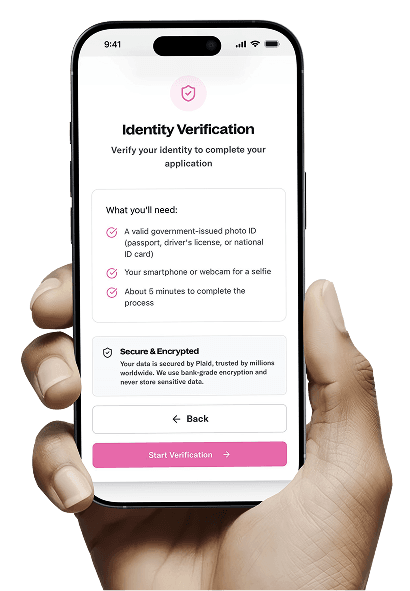
You apply online, which takes most people 5 to 10 minutes. We then check whether the rent is affordable for you, and you can combine different sources of income, such as salary, student loans, scholarships, family support and savings. If you're approved, Rentmigo becomes your guarantor.
The fee is paid once. It's between two weeks' and one month's share of the rent, depending on your application, and never more than one month's rent. It covers up to three years at the same property.
A professional guarantor doesn't make missed rent disappear. If Rentmigo pays your landlord on your behalf, you'll still need to pay us back. Not every landlord accepts professional guarantors either, so check with your agent before you apply.
If you've found a place and the agent wants a guarantor you can't provide, see how Rentmigo works and check whether we can act as your guarantor.